
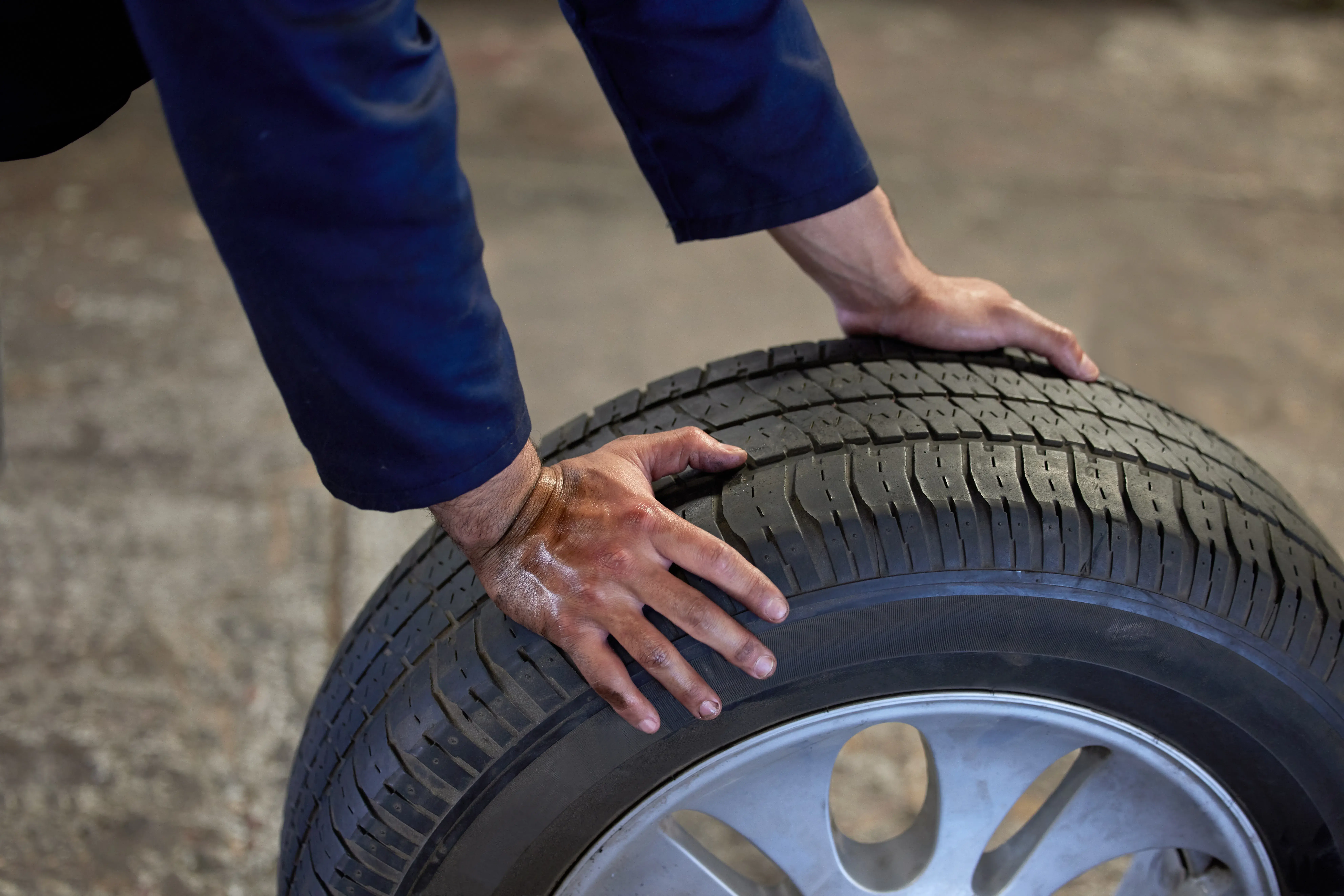
If you’ve ever wondered, what is the repairable area on a tire, you’re not alone. Many car owners don’t know which parts of a tire can be safely repaired after a puncture or damage. Understanding the repairable area is important because it helps you decide if a tire can be patched or if it needs to be replaced. At Aloha Auto Repair, we get this question all the time, and we’re here to guide you through it.
When a tire gets a flat or has a puncture, not all areas are safe to repair. Fixing the wrong part of a tire can lead to tire failure, which is dangerous, especially at high speeds. Knowing the repairable area on a tire ensures your safety and the longevity of your tires.
What Makes a Tire Repairable?
A tire is considered repairable when the puncture is in the tread area, not the sidewall or shoulder. The tread is the part of the tire that touches the road, and most punctures here can be patched or plugged safely.
So, what is the repairable area on a tire? here are some quick points:
-
- Tread area: Most common area for repair. Nail holes, screws, or small punctures are usually safe to fix here.
- Crown: The center of the tread is ideal for repair. It has the steel belts and structural support to hold a patch or plug.
- Edge of the tread: Sometimes repairable if the puncture is not too close to the shoulder.
The sidewall of the tire, however, is very different. This part flexes a lot while driving, and damage here is harder to repair. Tire sidewall damage or punctures in the shoulder are usually considered unsafe to fix. Tire sidewall repair options are limited because a patch or plug cannot restore the tire’s full strength. In most cases, a tire with sidewall damage cannot be repaired safely.
Signs a Tire Can Be Repaired
Before diving into a repair, you need to know if the tire can be fixed. Here’s a simple guide to tire repair:
-
- Small puncture: Less than a quarter-inch in diameter is often repairable.
- Within tread area: Punctures in the tread, not the sidewall, can be repaired.
- No structural damage: If the steel belts or inner liner are damaged, the tire may need to be replaced.
- Tread depth: Tires with enough tread left are more likely to be safely repaired.
Even if a puncture meets these conditions, it’s important to have a professional tire repair technician check it. At Aloha Auto Repair, we carefully inspect every punctured tire before starting a repair. This process is called tire inspection and repair.
Why Some Tires Cannot Be Repaired
Not every punctured tire is repairable. You should not try to fix tires with the following issues:
-
- Sidewall is damaged: Repairs here cannot restore flex and strength.
- Large punctures: Holes larger than a quarter-inch usually cannot be repaired.
- Multiple punctures close together: Weakens the tire.
- Run-flat tires: Many people ask, are run flat tires repairable? Often, they are not recommended for repair because of their unique structure.
Trying to repair a tire outside of the repairable area on a tire is risky. A tire that is patched improperly can fail at high speeds or under heavy loads.
How Tire Repairs Are Done
Once it’s determined that the tire is repairable, there are two main methods:
-
- Tire plug: A rubber plug is pushed into the puncture from the outside. This works for smaller holes in the tread area.
- Patch: The tire is removed from the rim, and a patch is applied from the inside. This is a stronger repair and often recommended for tires that see high speeds or heavy loads.
Most repairs combine a plug and a patch. This ensures the tire is properly repaired, safe to drive, and the structural integrity is restored. Plugs are considered safe when done properly, but the patch adds extra protection.
Quick Facts About Repairable Areas on a Tire
-
- The center of the tread is the safest repair area.
- The shoulder or sidewall is almost always unrepairable.
- Tire punctures caused by foreign objects like nails are more likely repairable if in the tread.
- Steel belts inside the tread area allow the tire to maintain strength after a repair.
- High speeds require stronger repairs, which is why professional tire repair is recommended.
How Long Does a Tire Repair Take?
Many car owners also wonder, how long does a basic car service take? A simple tire repair, depending on whether it needs a patch, plug, or both, usually takes about 30–60 minutes. This includes removing the tire, inspecting it, and applying the repair.
Aloha Auto Repair Is the Best Choice for Tire Repairs
At Aloha Auto Repair, we specialize in tire inspection and repair. Our technicians understand the repairable area on a tire and will only fix tires that are safe to repair. We make sure every repair is done correctly to prevent future issues. Why choose Aloha Auto Repair for tire repairs?
-
- Professional tire repair done by trained technicians.
- Honest assessment of whether the tire is repairable.
- Only tire sidewall repair options that are safe and approved.
- Quick turnaround so your flat tire is back on the road safely.
- Knowledgeable advice on type of tire, tread depth, and tire pressure.
If you’re wondering where to repair car tire, we are a trusted shop in Texas that handles all tire repairs safely and efficiently.
Tips to Keep Tires Repairable
-
- Avoid driving on a flat tire as this can damage the sidewall.
- Check tire pressure regularly to prevent unnecessary wear.
- Inspect tires for foreign objects like nails or screws.
- Replace old tires that have low tread depth or tire sidewall damage.
- Don’t try DIY repairs on the shoulder or sidewall.
Following these steps ensures your tires stay in the repairable area on a tire, giving them a longer life and safer performance.

Final Thoughts: Understanding the Repairable Area
Knowing what is the repairable area on a tire can save you money, keep you safe, and extend the life of your tires. The main takeaway is that only punctures in the tread area should be repaired. Damage to the sidewall or shoulder usually means the tire needs to be replaced.
At Aloha Auto Repair, we combine experience, proper tools, and knowledge of professional tire repair techniques. Whether it’s a small puncture, tire plug, or patch, we ensure your car tire is safe to drive. Remember, a tire is repairable only when the damage is within the correct area and done properly.
For anyone asking, are run flat tires repairable, the answer is sometimes, but it requires expert inspection. And if you’re asking where to repair car tire, Aloha Auto Repair is your go-to place for reliable, safe, and professional service.
FAQs
Can a puncture near the sidewall be repaired?
No. Punctures near the sidewall are unsafe to repair.
How big can a hole be to still be repaired?
Holes smaller than a quarter-inch (6mm) in the tread are usually repairable.
Are all tire types repairable?
Not all. Some tires, like run flat tires, may not be repairable if damaged.
What happens if I drive on a punctured tire?
It can damage the sidewall and make the tire unsafe to repair.
How do technicians check if a tire can be repaired?
They remove the tire, inspect the puncture, and check if the structure is safe to fix.
Curious about what is the repairable area on a tire and whether your tire can be safely fixed? Bring your car to Aloha Auto Repair for a professional tire inspection and repair. Call (945) 899-1596.
Also read:
Affordable Brake Repair Packages for Compact Cars